
Getting new dentures is a meaningful moment. Whether you just received same-day dentures here in our Bonner Springs office or you’ve been wearing them for a while and want to do better — the habits you build now determine how well your dentures serve you for years to come.
The good news: denture care isn’t complicated. It’s consistent.
Here’s everything our team recommends, from daily cleaning to what to do if something goes wrong.
Daily Cleaning: The Non-Negotiable
Brush every day. This is the foundation of everything. Use a soft-bristled brush made specifically for dentures and a denture-appropriate cleanser — not regular toothpaste.
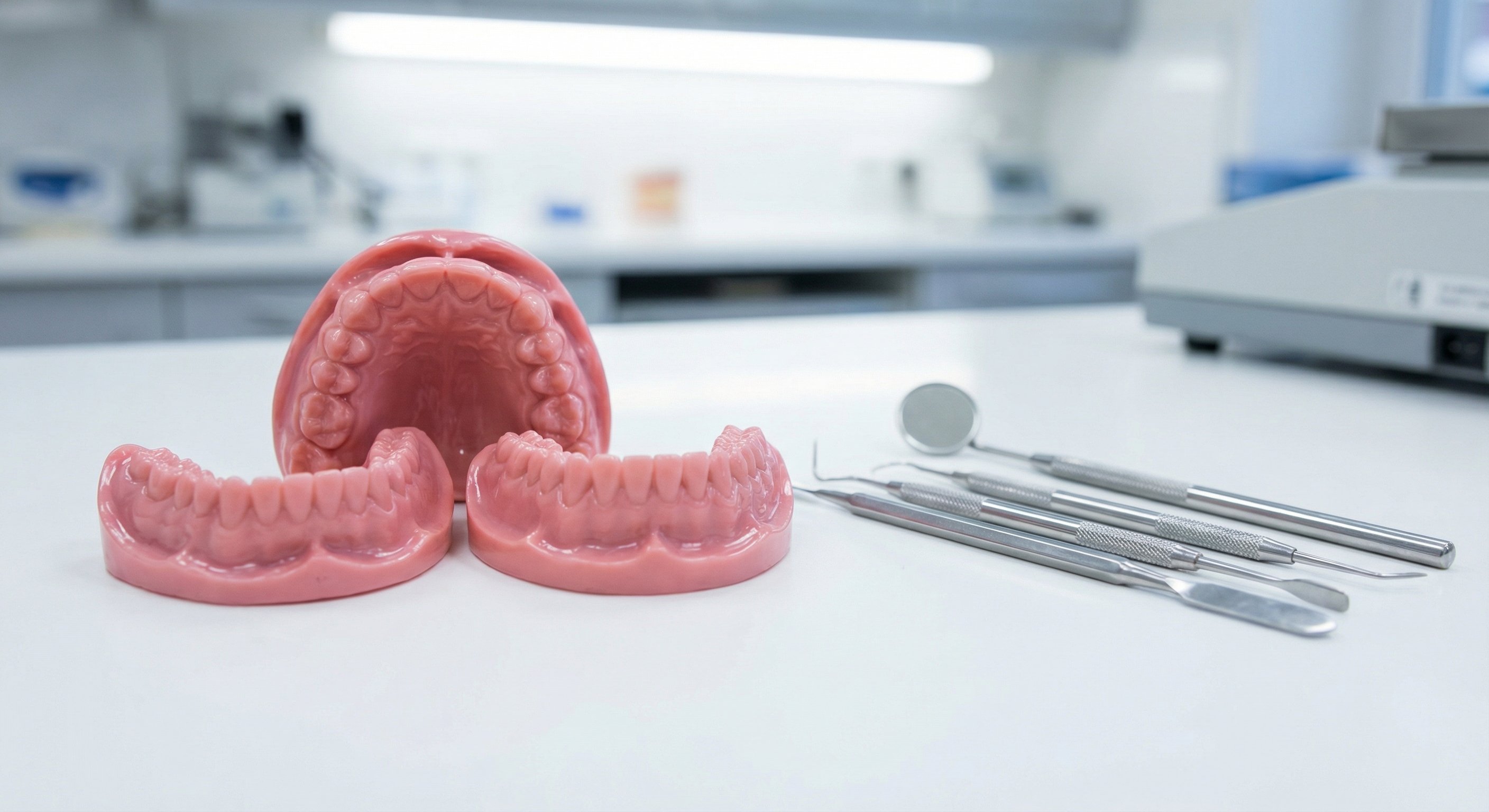
Why does toothpaste matter? Regular toothpaste contains mild abrasives that are fine for tooth enamel but too harsh for the acrylic materials used in dentures. Over time, those tiny scratches accumulate — creating microscopic pits where bacteria and staining compounds embed themselves. The surface becomes rougher, harder to clean, and more likely to develop odors.
Use a denture-specific paste, a small amount of dish soap, or simply water. The physical brushing action does most of the work.
Rinse after every meal. A quick rinse to remove loose food particles takes 30 seconds and makes a real difference in cleanliness and comfort throughout the day.
The Overnight Soak: Why It Matters
Remove your dentures before bed and soak them overnight. This serves two critical purposes that patients sometimes underestimate:
1. It preserves the fit. Denture material can dry out and warp when left out of a moist environment. Soaking in water or a denture solution keeps the material dimensionally stable — which means a better, more predictable fit every morning.
2. Your gums need rest. Wearing dentures puts constant pressure on your soft tissue and underlying bone. Giving your gums 6–8 hours to breathe each night reduces irritation, improves blood circulation in the tissue, and supports long-term gum health. Patients who wear dentures 24/7 often develop chronic soreness and — in some cases — a condition called denture stomatitis, a fungal infection that develops in tissue that never gets a break.
If you use an effervescent cleaning solution overnight, always rinse your dentures thoroughly before placing them in your mouth. Some cleaning agents can cause nausea if swallowed.
Don’t Neglect Your Mouth
Here’s something patients often overlook: good oral hygiene doesn’t stop when you have dentures.

Before putting your dentures in each morning, spend 30 seconds with a soft brush on your gums, tongue, and the roof of your mouth. This:
- Removes bacteria that accumulate overnight
- Stimulates blood circulation in your gum tissue
- Removes any residue from soaking solutions
- Significantly reduces bad breath
Keeping your oral tissues clean is especially important if you wear a full upper denture, which covers the entire palate. Bacteria can accumulate under there without regular attention.
Handle Your Dentures with Respect
Dentures look solid but they’re more fragile than you might think. A drop onto a tile floor from counter height can crack them — and while we can often repair dentures same-day in our in-house lab, prevention is always easier.
Two simple habits:
- When cleaning your dentures over a sink, fill the sink with water first, or place a folded towel on the counter. Either creates a cushion if you fumble.
- Never use boiling water to clean dentures. It can warp the material permanently.
Recognizing When Something Is Wrong
Fit issues don’t always announce themselves dramatically. Watch for these signs that it’s time to call us:
- You’re using noticeably more adhesive than before
- You have sore spots that persist more than a day or two
- Your dentures click, slip, or shift when you eat or speak
- Your bite feels different or food isn’t chewing evenly
- Redness, swelling, or white patches under your dentures
None of these are emergencies, but all of them deserve attention before they become bigger problems.
Regular Checkups: Even Without Natural Teeth
This surprises many patients: you still need regular dental checkups even when you have no natural teeth.
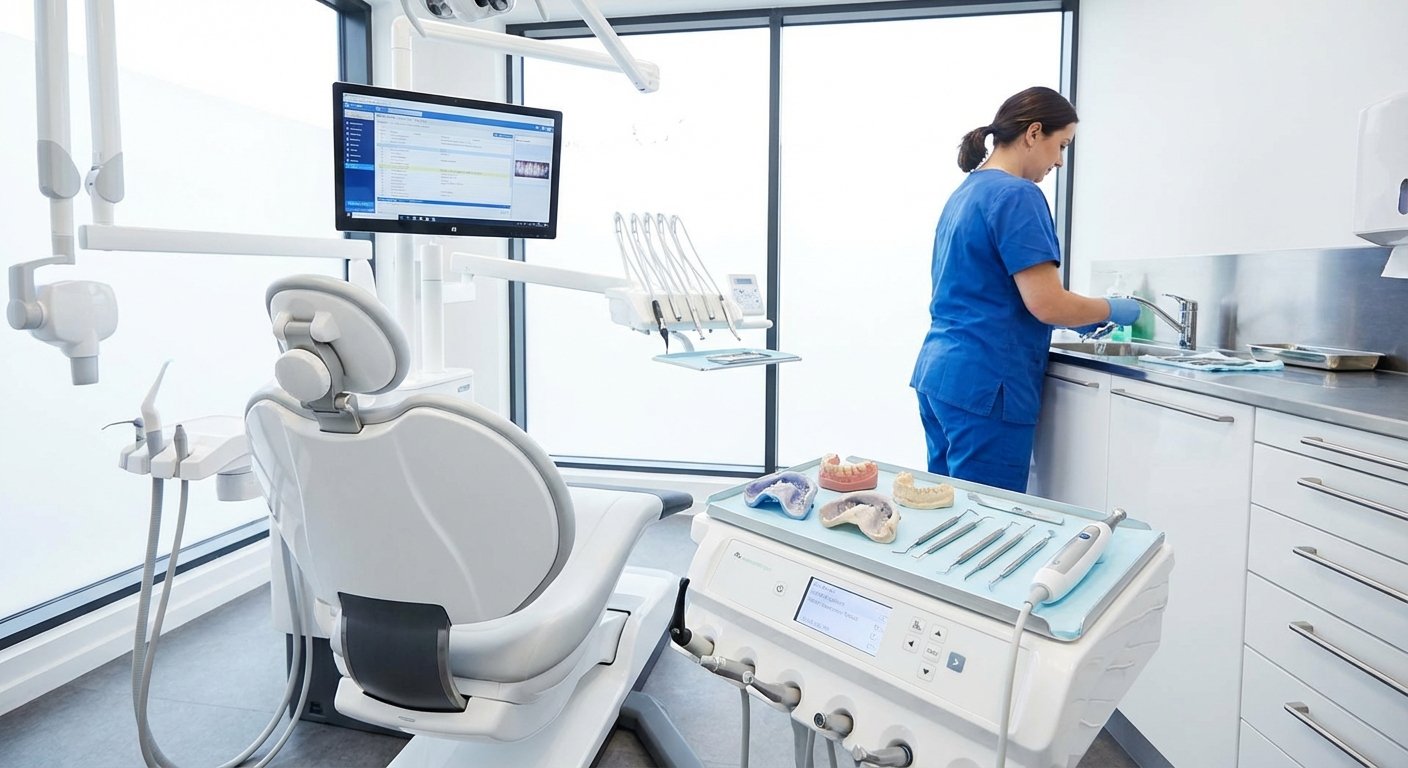
At each visit, Dr. Hartman checks the fit of your dentures, inspects the soft tissue of your mouth and throat, and makes adjustments while small issues are still small. Oral cancers and other conditions can develop in soft tissue regardless of whether you have natural teeth — early detection matters.
We typically recommend checkups every 6–12 months for denture wearers, and a professional cleaning of your dentures at each visit.
Questions about your dentures — whether you received them here or elsewhere? Call us at (913) 441-1600 or stop by our Bonner Springs office. We’re always happy to take a look, answer questions, and make adjustments. That’s what we’re here for.